Garage Door Accessories for Improved Reliability
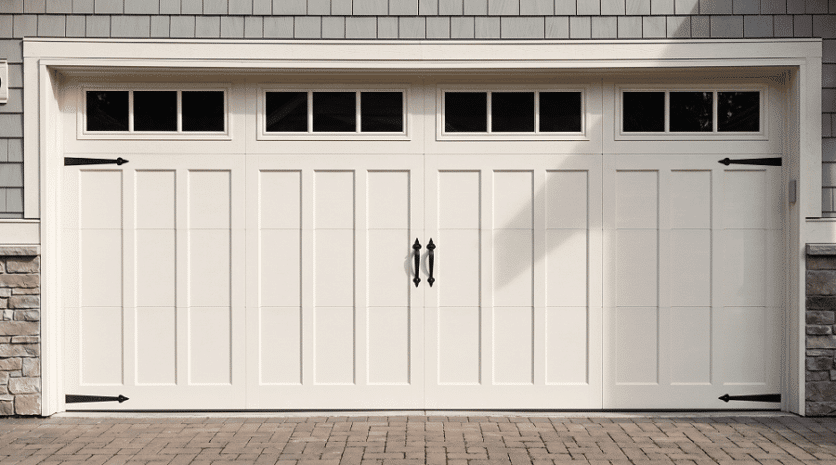


A garage door usually earns attention only when it stops moving, starts shaking, or traps a car inside on a rushed morning. That is part of the problem. Most homeowners think in terms of the door and the opener, but day-to-day reliability often depends on the smaller parts around them. The right accessories can reduce strain, smooth out operation, improve safety, and buy you years before a major repair becomes necessary.
After years of seeing doors fail in ordinary ways, not dramatic ones, I have come to respect the supporting cast. A sagging bottom seal lets in water that corrodes hardware. A tired battery backup turns a minor outage into a real inconvenience. Poor lighting near the opening leads to avoidable bumps, misalignment, and hurried use. Even something as simple as a properly placed surge protector can save an opener board that would cost far more than the accessory itself.
When people search for Garage Door Accessories, they often expect convenience upgrades. Keypads, remotes, smart controllers, and storage hooks all have their place. Reliability, though, calls for a more practical lens. The question is not what looks useful on a product page. The question is what helps the system survive real use, weather swings, power interruptions, vibration, and neglect.
Reliability starts with understanding what actually fails
A garage door is a heavy moving system. Springs carry the load, rollers guide the path, hinges articulate the sections, tracks keep geometry consistent, and the opener coordinates travel. The accessories that matter most are the ones that protect these parts from shock, contamination, moisture, and misuse.
I have seen openers blamed for problems they did not cause. The opener is often just the first component to complain. If the door is dragging because rollers are worn or because the weather seal has frozen to the slab, the motor pays the price. If the photo eyes are constantly bumped out of alignment, the door reverses and people assume the whole unit is failing. If voltage spikes hit the control board during a storm, the symptoms can look random for weeks.
Reliable operation comes from reducing stress throughout the system. That means choosing accessories that address real failure points rather than adding gadgets for their own sake.
The accessories that do the most for dependable performance
Some add-ons produce a clear return almost immediately. Others matter only in certain climates or usage patterns. The right choice depends on whether the garage is attached or detached, insulated or uninsulated, and used twice a day or twenty times.
Battery backup keeps a minor problem from becoming a major one
A battery backup is one of the most practical reliability upgrades for an automatic opener. In areas with even occasional outages, it changes the experience completely. Instead of disengaging the trolley, lifting a heavy door manually, and resetting the system later, you keep normal operation during a short interruption.
More important, battery backup reduces the chances of rough manual handling. I have seen homeowners yank emergency release cords at awkward angles, pull doors with damaged rollers, or leave a door partially open overnight because the power failed after dark. Those are reliability problems, not just convenience issues.
Battery systems do have limits. The battery needs periodic replacement, usually every few years depending on temperature and cycling. A very heavy door or frequent use during an outage will reduce available cycles. But as garage door accessories go, this one directly protects both the user experience and the equipment.
Surge protection is cheap insurance for modern openers
Today’s openers contain circuit boards, sensors, and in many cases Wi-Fi modules. They are more capable than older units, and more vulnerable to electrical irregularities. A quality surge protector, especially one rated for motorized equipment or installed at the outlet serving the opener, is one of the least expensive ways to avoid a board replacement.
This matters more than many owners realize. A lightning-adjacent event does not have to destroy a board instantly. It can weaken components and create intermittent behavior, the sort of issue that wastes hours in diagnosis. The door may stop short, ignore a remote occasionally, or flash error codes that come and go.
For detached garages or homes with older electrical service, the value goes up. Whole-house surge protection is better still, but at the opener level, a dedicated protective device is a smart and practical layer.
Better rollers can change the entire character of the door
If a door sounds harsh, shudders during travel, or seems to bind in spots, rollers deserve attention. Upgrading from basic steel rollers to quality nylon rollers with sealed bearings often produces a noticeable improvement. The door runs quieter, yes, but the real benefit is reduced vibration and smoother tracking.
Vibration is hard on everything. It loosens fasteners, stresses hinge knuckles, amplifies opener wear, and reveals track imperfections. In older homes where framing has settled slightly, smoother rollers can be the difference between a door that labors and one that glides.
This is not a universal prescription. Commercial doors, oversized wood doors, and high-cycle applications may require different roller types. But on many residential sectional doors, good rollers are among the most effective Garage Door Accessories for reliability.
Reinforcement brackets protect the top section and opener connection
The top section of a garage door does more work than it gets credit for. That is where the opener arm applies force, and repeated cycles can fatigue the panel, especially on lightweight steel doors. A reinforcement bracket spreads that load over a wider area and helps prevent cracking, bending, or elongation around mounting points.
This is especially worthwhile in windy areas or on doors that have seen years of use. I have encountered doors where the opener was functioning correctly but the top panel had begun to distort under repeated pulling. Once the panel deforms, travel becomes inconsistent and stress moves elsewhere.
A reinforcement bracket will not fix a badly imbalanced door. It is not a substitute for spring adjustment or proper service. But it can prevent the type of localized damage that turns a modest maintenance visit into a panel replacement.
Weather seals do more than keep out drafts
Bottom seals and perimeter weatherstripping are often treated as comfort features. They are that, but they also support reliability. Water intrusion leads to rust on hinges, fasteners, and track brackets. Dirt and blown debris accumulate in the track area. In cold climates, meltwater can refreeze under the door and create sticking that strains the opener on the next cycle.
A good seal also helps stabilize the environment inside the garage. That matters if the opener has a battery backup, if electronics are stored in the space, or if the garage shares a wall with conditioned living areas. Temperature swings alone do not usually ruin hardware, but moisture plus temperature swings absolutely can.
Fit matters here. An oversized seal that drags too heavily on the floor creates resistance. A seal that is too small leaves gaps and lets in wind-driven rain. The right material also depends on climate. Rubber stays flexible in some conditions but can become brittle in others. Vinyl and thermoplastic options each have their place.
Small accessories that solve surprisingly common problems
Not every worthwhile accessory is dramatic. Some of the best ones simply remove the everyday conditions that shorten the life of the door system.
A laser parking guide or a well-placed parking stop, for example, sounds minor until you see how often cars nudge stored items, tracks, or sensor brackets because the stopping point is inconsistent. Photo eyes mounted near the floor are easy to knock out of alignment with a tire, broom, or trash bin. Anything that reduces those accidental impacts improves reliability.
LED lighting around the garage opening matters too. Good visibility reduces rushed operation and helps people notice developing issues, like frayed weatherstrip, loose hinges, or debris in the track. I have watched many service calls begin with a sentence like, “It started making a noise a few weeks ago, but I could only hear it at night.” Better lighting Garage Door Accessories and visibility change how quickly problems get addressed.
A wireless keypad also earns its place in some households. Reliability is not only about machine performance. It is about dependable access. If people regularly use the manual release because they forget remotes or lock themselves out, the system sees more awkward handling. A keypad reduces that friction and, in practice, often leads to gentler use overall.
Smart controllers can improve reliability, if used for the right reasons
Smart garage door controllers get marketed as lifestyle devices, but their real advantage can be operational awareness. Knowing whether the door is open or closed matters. Getting an alert when the door has been left open for an hour matters even more if weather is moving in or the garage stores valuable equipment.
The best smart setups also make diagnostics easier. Activity logs can reveal patterns, like repeated reversal events or openings at unusual times. If a household member says the door “sometimes stops,” a record of usage can narrow down whether the issue happens during a certain temperature range, after long idle periods, or only on one remote.
That said, smart accessories are not automatically reliability upgrades. If the controller depends on weak Wi-Fi in a detached garage, adds wiring clutter, or creates compatibility issues with an older opener, the net result can be frustration. I usually recommend them when the opener brand supports them cleanly or when the aftermarket system has a strong track record with the specific opener model.
A smart controller is best viewed as a monitor and access tool, not as a cure for a mechanically unhealthy door.
Where safety accessories overlap with reliability
Safety and reliability are closely linked in garage door systems. A misaligned safety sensor does not just create annoyance. It leads users to bypass, force, or mistrust the system. A door that reverses unpredictably can cause people to hold the wall button or disconnect the opener rather than solve the root cause.
Photo eyes should be mounted securely, kept clean, and protected from accidental bumps. In garages with active storage or frequent traffic, protective sensor brackets or better placement can make a real difference. The sensors sit low, where dust, leaves, and impact are common. Anything that keeps them stable reduces nuisance reversals.
Motion-activated lighting tied to garage entry points also helps. It is easier to inspect the threshold, confirm clear travel, and notice objects under the door. This may sound basic, but poor visibility is a recurring contributor to reliability complaints. Sometimes the “problem” is a rake handle, a soccer ball, or a folded mat in just the wrong place.
Manual release hardware deserves a quick mention as well. The release cord and handle should be easy to reach and in good condition. During an emergency, a stuck or frayed release mechanism turns a manageable situation into a stressful one. Reliable manual override is part of a reliable door system.
Climate changes what counts as essential
A door in a dry, mild climate has a different accessory priority list than one facing salted winter roads or humid coastal air. This is where generic advice often falls short.
In northern climates, bottom seals and threshold seals are far more important because freeze-thaw cycles create sticking and water intrusion. Battery backup also rises in importance where storms regularly interrupt power. If snow blowers, shovels, and road grit live in the garage, keeping debris away from tracks and sensors becomes part of reliability.
In hot, dusty regions, sealed rollers and good weatherstripping help keep grit out of moving parts. Electronics can also suffer in garages that become extremely hot. Ventilation and insulation are not traditional Garage Door Accessories in the narrow sense, but they can improve the operating environment for opener components and backup batteries.
Near the coast, corrosion resistance becomes a major factor. Stainless fasteners, coated hardware, and regular replacement of sacrificial components can make sense. In those areas, a cheap accessory can fail quickly and leave the system worse off than before.
A few signs that the right accessory may prevent a larger repair
When a door still works but shows early symptoms, accessories can often extend service life or reduce stress while you plan fuller maintenance.
- The opener strains at the start of travel, but the springs are properly adjusted. Reinforcement at the top section or smoother rollers may reduce load spikes.
- The door reverses unpredictably, especially when the floor area is cluttered. Sensor protection, better lighting, or improved parking guidance may solve recurring interference.
- Moisture appears inside the garage after rain. New perimeter seals or a threshold seal can prevent corrosion and contamination before hardware suffers.
- Electronics behave oddly after storms or outages. Surge protection and battery backup can prevent repeat issues.
- Noise has increased over the past year without obvious damage. Upgraded rollers and vibration-reducing hardware often address the root cause before hinges and brackets loosen further.
Accessories are not a substitute for balance and maintenance
This point matters. No accessory can compensate for a badly out-of-balance door, worn torsion springs, bent tracks, or failing cables. A battery backup cannot save an opener that is lifting too much weight. Better Garage Door Accessories rollers cannot fix a track that has shifted out of alignment. Smart notifications will not stop corrosion from spreading.
The best results come when accessories support a mechanically sound system. If the door feels heavy by hand, jerks during travel, or slams shut, address those core issues first. The same goes for visible cable wear or track damage. Those are service items, not accessory shopping opportunities.
I have seen people invest in every modern feature on a fifteen-year-old door while ignoring the fact that the springs were near the end of their cycle life. That is like buying premium tires for a car with failing brakes. Some upgrades still add value, but priorities matter.
Choosing accessories without wasting money
There is a practical order to these purchases. Start with the items that protect function, then move toward the ones that improve convenience. Households often reverse that order because app controls and sleek remotes are more visible than seals or surge protection.
Here is the sequence I usually suggest when reliability is the goal:
- Correct any balance, spring, cable, or track problems first.
- Add protection for electronics and power continuity, especially surge protection and battery backup.
- Reduce mechanical stress with better rollers, reinforcement hardware, or vibration control where needed.
- Seal the opening properly to control water, dirt, and weather effects.
- Add monitoring and access features, like smart control or keypads, if they fit your habits and setup.
That order is not absolute. A family that frequently loses power may move battery backup to the very top. A coastal homeowner may prioritize seals and corrosion-resistant components. The principle is simple: preserve the system before accessorizing it.
Installation quality often matters more than the accessory itself
A cheap but properly fitted bottom seal can outperform an expensive one installed poorly. A great smart controller becomes a nuisance if wiring is sloppy or the opener compatibility is marginal. Nylon rollers help, but only if hinge wear and track condition are also checked during installation.
This is where experience shows. Small alignment decisions make a big difference on garage doors. Tightening one bracket while the track is under tension can shift travel enough to create rubbing. Mounting a keypad where rain constantly hits it will shorten its life. Placing a surge protector where it interferes with the opener plug or hangs loose invites its own failure.
For homeowners who handle minor upgrades themselves, I would encourage restraint. Cleaning sensors, replacing remotes, installing a keypad, and fitting some seals may be reasonable DIY tasks. Anything involving springs, major track adjustments, or opener force settings deserves caution and often a professional hand. Reliability is improved by precise work, not by brave work.
The best setups are usually the least noticeable
A reliable garage door does not draw attention. It opens smoothly, closes evenly, stays sealed, responds predictably during storms, and gives no reason for last-minute improvisation. The accessories behind that performance are often unglamorous. A backup battery tucked into the opener housing. Rollers that no longer chatter. Weatherstripping that keeps the threshold dry. A bracket that quietly reinforces the panel every single day.
That is what makes this category worth taking seriously. The right Garage Door Accessories do not just add features. They create margin. Margin against weather, wear, power loss, minor impacts, and ordinary human forgetfulness. In mechanical systems, that margin is what reliability looks like.
If you approach accessories with that mindset, the shopping process gets easier. Ignore the impulse buys. Look for the parts that reduce strain, protect electronics, control moisture, and support safe, consistent use. Those are the upgrades that tend to earn their keep quietly, over thousands of cycles, long after the novelty has worn off.
Select Garage Doors
11479 Pine Dr, Parker, CO 80134, United States
+1 303-228-0018
FAQ About Garage Door Accessories
What are garage door parts called?
Common door components include panels, hinges, rollers, tracks, springs, cables, and weather seals. The opener is a separate operating system, with accessories such as remotes, keypads, and compatible smart controls. Identify the door and opener model before choosing a part; springs, cables, and other loaded components should be assessed and serviced by a trained garage door technician.
What garage door supplies do I need?
The right supplies depend on the problem or upgrade you want to address. Common accessories include replacement remotes, wireless keypads, weather seals, decorative handles and hinges, and compatible smart controls. Check model compatibility and the manufacturer's instructions before buying. A technician can inspect the system and recommend suitable accessories without replacing otherwise serviceable equipment.
Where can I find garage door accessories in Parker?
Select Garage Doors supplies and installs garage door accessories for Parker homeowners. Contact the company with your opener brand and model, door details, and the upgrade you want so it can confirm compatibility, availability, pricing, and installation requirements. Confirm collection or appointment arrangements before visiting.
Ends · MARIOKPGO580