Garage Door Accessories in Parker That Make Homes Safer
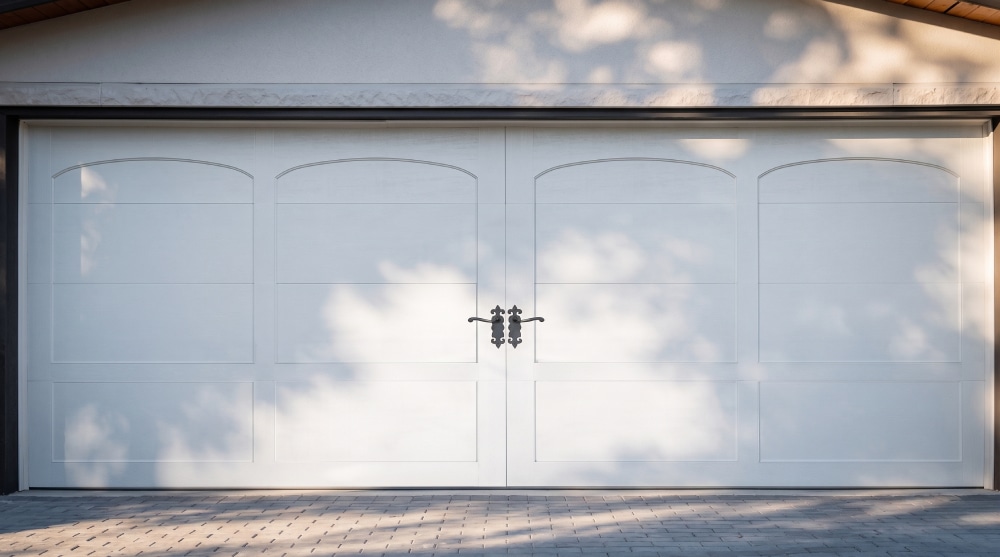
A garage door is one of the largest moving parts in any home, and in many Parker neighborhoods it is also one of the most frequently used entry points. People tend to think about the door itself, the springs, the opener, and little else. Yet the accessories around that system often do the real work of improving safety day to day. They reduce the chance of injury, limit unauthorized access, improve visibility, and help homeowners catch problems before a routine morning turns into a repair call.
That matters more than many people realize. In newer subdivisions around Parker, garages are often attached directly to the house and used as the main family entrance. In older homes, detached garages may sit a little farther from the street, which changes lighting needs and security habits. Add Colorado weather, winter freeze and thaw cycles, summer hail, and the simple wear that comes from repeated daily use, and small upgrades start to make a big difference.
When homeowners ask about Garage Door Accessories Parker residents should actually consider, I usually steer the conversation away from flashy add-ons and toward practical improvements. The best accessories are not necessarily the most expensive. They are the ones that solve a real risk, fit the way the household uses the garage, and work reliably through changing seasons.
Safety starts with how the door sees the world
The modern garage door opener relies heavily on photo eye sensors. These are the small units mounted near the bottom of the door tracks, facing each other across the opening. Their job sounds simple: detect anything crossing the threshold and prevent the door from closing on it. But simple does not mean optional. A properly functioning sensor setup is one of the most important safeguards in the entire system.
In Parker, dust, road grime, spider webs, and accidental bumps are common reasons sensors stop working correctly. A basketball, a rake handle, or even a trash bin rolled too close to the wall can knock one slightly out of alignment. The door may then refuse to close, or worse, close unpredictably unless the wall button is held down. That is not just inconvenient. It creates the kind of frustration that leads people to bypass safety habits.
Upgrading old or unreliable sensors is often worthwhile, especially if the opener is aging or if the household includes children or pets. Newer sensors tend to be more stable, easier to align, and less sensitive to false readings caused by sunlight or vibration. I have seen homes where the owner assumed the opener itself was failing, when the real issue was a tired sensor pair and worn wiring near the floor. Replacing those parts restored dependable operation without the cost of a full opener replacement.
The key point is this: if your garage door safety sensors are inconsistent, you do not have a minor nuisance. You have a primary safety device asking for attention.
Bright, well-placed lighting changes the risk level immediately
Many garage injuries and security problems happen in poor light. A dim garage invites missteps around stored tools, bicycles, oil spots, and uneven transitions from driveway to interior floor. Outside, shadows around the garage opening make it harder to notice movement, identify obstacles, or simply back in and out with confidence.
Motion-activated LED lighting is one of the most practical accessories available. It improves visibility exactly when needed and can discourage opportunistic theft. In Parker, where winter evenings arrive early and snow can reflect light in odd ways, a brighter approach around the garage helps more than homeowners expect. Good lighting also matters during storms. If the power flickers or the weather turns quickly, clear illumination reduces confusion and helps everyone move safely.
The most effective setup usually includes both interior and exterior coverage. Inside the garage, ceiling-mounted LEDs should spread light across the full depth of the space rather than creating a bright patch under the opener and shadows everywhere else. Outside, fixtures should illuminate the driveway edge, the side approach to the service door if there is one, and the immediate area under the garage header.
People sometimes buy the highest-lumen fixture they can find and call it done. That can backfire. Overly harsh lighting creates glare, especially on wet concrete, and can actually make depth perception worse. A better strategy is balanced placement and color temperature that feels bright without turning the garage into a warehouse.
Battery backup is not a luxury in a state with real weather
Power outages do not need to last long to create problems. If the garage is your primary point of entry and the opener has no battery backup, a short outage can leave someone stuck outside late at night or struggling to lift a heavy door manually. That is frustrating in mild weather and potentially unsafe in snow, freezing Garage Door Accessories Parker wind, or during a storm.
Battery backup systems keep the opener functional for a limited number of cycles after power loss. That means the door can still open and close when you need to leave for work, bring children inside, or secure the home after dark. For attached garages, this also preserves a controlled access point instead of forcing someone to prop open a side door or fumble with manual release mechanisms in low visibility.
I have seen this overlooked in households with elderly family members or anyone with shoulder or back limitations. A manually operated garage door is not always realistic for every user. Even a properly balanced door can feel awkward if the release cord is hard to reach or if the person has limited upper body strength. In that case, battery backup moves from convenience into the category of meaningful safety equipment.
Smart controls are useful, but only when set up correctly
Smart garage accessories get marketed as convenience features, and they are. But they also carry real safety benefits when homeowners use them with some discipline. A connected garage door controller can send alerts if the door is left open, allow remote closing, and log activity so unusual patterns stand out. If a teenager forgets to shut the garage on the way to school, or if you leave for a weekend and wonder whether the door is secure, the app removes the guesswork.
The catch is that smart controls need proper configuration. Notifications should be enabled. User access should be limited to people who actually need it. Default passwords should never stay in place. If the system allows temporary guest access, that feature should be used carefully and turned off when no longer needed.
There is also a habit issue. Some homeowners become so comfortable with remote operation that they stop visually checking the opening before closing the door from a distance. That is a mistake. A camera-equipped opener or standalone garage camera helps, but it does not replace good judgment. If children play in the driveway, if packages get left near the threshold, or if pets move unpredictably, remote closing without visibility is not a best practice.
Done right, smart control is one of the strongest Garage Door Accessories Parker homeowners can add. Done carelessly, it introduces a different kind of risk.
Keypads and remotes deserve more attention than they get
Exterior wireless keypads often seem like a convenience for joggers, dog walkers, or kids coming home from school. They are that, but they also improve safety in subtle ways. A keypad means a family member can get inside without hiding a spare key outdoors or leaving a side door unlocked. It also creates a backup access option if a remote is lost, a phone battery dies, or someone gets locked out during bad weather.
Placement matters. A keypad should be easy to reach but not highly visible from the street if the garage faces forward. It should also be mounted where users can stand comfortably and safely while entering the code, not on a slippery slope or in an area where snow piles up. In Parker winters, that little detail matters. I have watched people lean awkwardly around an icy patch just to punch in four digits.
Garage remotes deserve the same level of thought. Keeping a remote clipped to the car visor sounds harmless, but an unlocked car parked outside with a visible remote is practically an invitation. If someone enters the vehicle and finds registration paperwork with your address, they have both the opener and the destination. Many newer vehicles let homeowners pair the opener with built-in controls, which is cleaner and often more secure. If you still use handheld remotes, treat them like keys.
A deadbolt or slide lock still has a place
When people think of garage door accessories, they often jump straight to electronics. Mechanical security still matters. A manual slide lock on the inside of the garage door can provide a valuable layer of protection during travel, extended vacations, or times when the door should not be operated at all.
For detached garages storing expensive tools, bikes, or seasonal equipment, that added lock can slow forced entry. For Garage Door Accessories Parker attached garages, it can prevent operation while repairs are pending or when a family wants the door completely disabled for safety. This comes up more often than you might think, especially if the torsion spring has broken and the door should not be lifted until serviced.
The caution is straightforward: if you use a manual lock, everyone in the household needs to know it is engaged. Trying to run the opener against a locked door can damage the opener, the top section of the door, or both. That is why I usually recommend it for intentional periods of nonuse rather than casual everyday locking unless the family is organized and consistent.
Pinch-resistant hardware protects hands where accidents actually happen
Not all safety problems involve intrusion or power loss. Some involve fingers. Garage doors have multiple sections, hinges, rollers, and joints that can create pinch points during operation. Households with young children are especially vulnerable, because children naturally touch moving parts out of curiosity.
Pinch-resistant door panels are built so the section joints curve inward and reduce the chance of fingers being caught between them. If a homeowner is already replacing the door, choosing this feature is one of the easiest safety upgrades to justify. It is not flashy, and it rarely gets featured in showroom talk, but it addresses a real injury risk.
The same logic applies to enclosed spring systems and upgraded track covers in certain setups. Traditional exposed hardware can be perfectly safe when maintained and left alone, but safer designs reduce temptation and exposure. That matters in garages that double as play areas, workshops, or storage rooms people pass through several times a day.
Door edge sensors and pressure reversal add another layer
Most people are familiar with photo eyes, but fewer know that some garage systems can also include monitored safety edges or more refined pressure sensitivity settings. These features are particularly useful when the floor is uneven, when weather seals are thick, or when the opening environment makes beam sensors alone less ideal.
A monitored edge sensor is installed along the bottom edge of the door and can trigger reversal if pressure is detected. This can add protection in edge cases where a low object, soft item, or certain obstruction geometry might not interrupt the photo beam cleanly. It is not standard in every residential setup, and it is not necessary for every home, but in the right environment it improves the safety envelope.
This is where judgment matters. More accessories do not automatically mean a better system. They need to be compatible with the opener, installed correctly, and tested regularly. Poorly integrated add-ons can create nuisance faults that frustrate homeowners and lead to disabled features, which defeats the point.
Carbon monoxide awareness belongs in the garage conversation
A garage itself is not a living space, but it sits next to one in many Parker homes. That makes carbon monoxide and air quality accessories worth discussing, especially for attached garages. If vehicles are started inside, even briefly, or if fuel-powered equipment is stored and occasionally run nearby, monitoring becomes part of a sensible safety plan.
A carbon monoxide detector should never be thought of as a garage door accessory in the narrow retail sense, but in practical home safety terms it belongs in the ecosystem. The same is true of heat detectors in garages where smoke detector use may be less appropriate due to dust or temperature swings. The point is not to overload the garage with gadgets. It is to recognize that entry systems, ventilation habits, and life safety devices all intersect in this space.
One winter case sticks with me. A homeowner had let the vehicle warm up in the garage with the overhead door open only partway because snow had drifted in front of the opening. They assumed that was enough ventilation. It was not a catastrophic event, but it was a reminder that familiar routines can drift into risky territory without anyone noticing.
Weather seals do more than keep out drafts
Bottom seals, perimeter weatherstripping, and threshold seals are often sold for comfort and cleanliness, and that is fair. They reduce dust, leaves, precipitation, and pests. But they also contribute to safety by improving the way the door closes, limiting slip hazards from blown-in moisture, and discouraging small animals from entering and creating surprises in a dark garage.
In Parker, where wind can drive fine dust and winter moisture into gaps, a worn seal often means more than a little debris on the floor. It can mean icy spots near the threshold or reduced visibility if dirt accumulates around sensor lenses and tracks. A good seal also helps maintain steadier conditions for items stored in the garage, including batteries, paint, or sports gear.
That said, not every seal upgrade is a good fit. An overly tall threshold can create a trip hazard or be annoying for bikes, strollers, and snow shovels. Material choice matters too. Some rubbers stay flexible in cold weather better than others. The best accessory is the one matched to actual site conditions, not the one with the boldest packaging.
Cameras at the garage need a purpose, not just a view
Security cameras around the garage can be excellent additions, but only if they are placed with intent. A camera pointed generally toward the driveway may capture motion, but that does not always help identify who opened the door, whether a package was moved, or if the door reversed unexpectedly due to an obstruction.
For the best safety value, camera placement should answer specific questions. Can you see the full opening? Can you verify that the door is fully shut? Can you identify activity around the side access door? Can you review nighttime footage clearly enough to distinguish a person from a blowing branch? Resolution matters, but angle and lighting matter just as much.
Some homeowners go overboard and create a tangle of overlapping devices with different apps, different passwords, and inconsistent recording. A simpler setup often works better. One camera covering the garage exterior effectively, plus a smart opener that reports door status accurately, can outperform a cluttered arrangement.
The most valuable upgrade may be the one no one notices
Quiet roller upgrades, reinforced brackets, and better-maintained hinges do not get much attention in sales brochures, yet they contribute to safety in practical ways. A smoother, quieter system makes changes easier to hear. Homeowners learn the normal sound of their door, and when that sound shifts, they catch problems sooner. A rattling track, a jerking start, or a delayed reversal often begins subtly.
Likewise, reinforcing the opener mounting or top bracket can reduce stress on the system, particularly in heavier insulated doors. This is not glamorous work, but in service calls it is often the difference between a system that ages predictably and one that develops recurring alignment or operator issues.
Here is a short checklist I give homeowners who want safer operation without turning the garage into a project:
- Test the photo eyes monthly and wipe the lenses clean.
- Confirm the auto-reverse function with a simple obstruction test as recommended by the opener manufacturer.
- Replace weak keypad batteries before cold weather arrives.
- Check that exterior lighting covers both the driveway approach and the door area.
- Review who has remote or app access at least once a year.
Those five habits cost very little and prevent a surprising number of avoidable problems.
Choosing accessories for your specific home in Parker
The right combination depends on the house, the family, and how the garage is used. A busy household with school-age children may benefit most from dependable sensors, a keypad, and app alerts. A retired couple may place more value on battery backup, brighter lighting, and a quieter opener with easy access controls. A detached workshop garage may need stronger perimeter lighting, a camera, and a more deliberate locking strategy.
It helps to think in terms of risks rather than products. Ask what could realistically go wrong at your property. Is the driveway dark? Does wind push debris into the threshold? Is the garage the main entrance? Do children use it independently? Is the opener old enough that compatibility with new accessories might be limited? Those questions lead to better decisions than browsing a shelf of add-ons and choosing whatever sounds modern.
There is also value in knowing when not to accessorize. If the core door system is worn out, misaligned, or improperly balanced, piling on smart gadgets does not solve the underlying safety issue. The foundation has to be sound first. Sensors should align. Springs should be correct for the door weight. Tracks should be secure. Only then do accessories deliver their full benefit.
Small upgrades, real protection
Safer garages are rarely built through one dramatic purchase. They improve through a series of sensible choices, each one addressing a specific vulnerability. Better lighting prevents falls and sharpens awareness. Reliable sensors stop dangerous closures. Battery backup preserves access during outages. Smart controls reduce the odds of an open door being forgotten. Mechanical locks, weather seals, cameras, and safer panel designs round out the system.
When homeowners search for Garage Door Accessories Parker companies offer, the smartest path is to focus on accessories that support safe daily use first, then convenience second. The best upgrade is the one that protects the people using the door every day, works well in local conditions, and keeps doing its job long after the novelty wears off.
That is what makes a home feel more secure, not because the garage got more complicated, but because it got more reliable.
Select Garage Doors
11479 Pine Dr
Parker, CO 80134, United States
Phone: (303) 228-0018
FAQ About Garage Door Accessories Parker
Where can I find garage door accessories?
Garage door accessories are available from garage door service companies, authorized dealers, home improvement stores, and specialist suppliers. Select Garage Doors supplies and installs accessories for homeowners in Parker, including compatible remotes, wireless keypads, weather seals, and smart controls. Check your opener model and door specifications before choosing a replacement or upgrade.
How to make a garage door more attractive?
Cleaning the door, refreshing a manufacturer-approved finish, and choosing coordinated decorative handles or hinge accents can improve its appearance. Compatible window inserts may also change the look of an existing window section. Match accessories to the door material and style, and make sure added hardware does not interfere with movement, seals, or safety equipment.
Where can I buy garage door inserts?
Decorative window inserts can be sourced through the door manufacturer, an authorized garage door dealer, or a supplier that carries parts for your specific door series. Match the model, window frame dimensions, and attachment system; inserts are not universally interchangeable. Ask a professional to confirm compatibility before ordering, especially if the work involves glass or changes to a door section.
Ends · MARIOKPGO580