Garage Door Accessories in Parker That Upgrade Security Fast
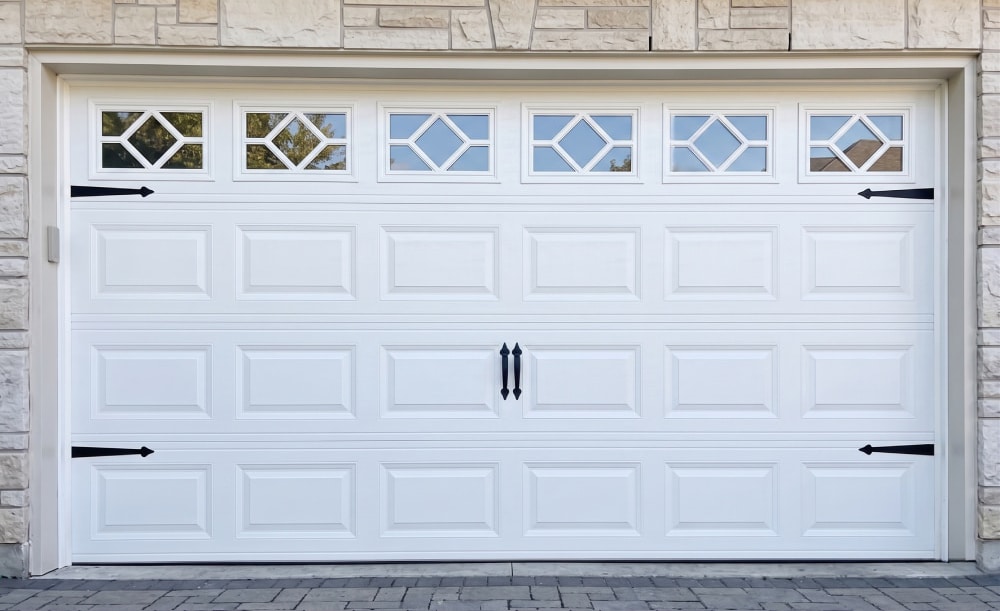
A garage door can look solid from the street and still leave a home exposed in all the places that matter. I have seen beautifully finished doors paired with flimsy emergency release cords, outdated openers, and keypads that should have been replaced years ago. When homeowners in Parker ask how to improve garage security without replacing the entire door system, the answer is usually the same: start with the accessories.
That matters because the garage is not just a place to park. In many homes, it is the largest moving entry point on the property, a storage area for tools and bikes, and a direct path into the house. If someone gets through the garage, they often gain access to far more than a vehicle. The right upgrades close off easy opportunities fast, and they do it at a fraction of the cost of a full door replacement.
Not every accessory offers the same value. Some add convenience and very little protection. Others make forced entry meaningfully harder, reduce accidental exposure, and give you a better chance of catching a problem before it becomes expensive. If you are shopping for Garage Door Accessories Parker homeowners actually benefit from, it helps to know which upgrades make the biggest difference and why.
Where garage security usually fails
Most security problems do not start with a dramatic break-in. They start with something small and preventable. A remote gets left in an unlocked vehicle. A keypad code has not changed in four years. The bottom of the garage door gaps just enough for a coat hanger trick near the release. An older opener closes the door reliably, but it has no real monitoring and no lockout features. Those are common weak points.
Parker adds a few local considerations. Wind, dust, snow, freeze-thaw cycles, and big temperature swings can wear down seals, sensors, and exterior-mounted accessories faster than homeowners expect. A keypad that works perfectly in mild weather may become unreliable after repeated cold snaps. A weathered side-mounted fixture can leave wiring exposed. Even a slightly warped bottom seal can create enough space for prying attempts or allow debris to interfere with the safety system.
The practical takeaway is simple: security is not just about stopping a thief. It is also about keeping the system tight, predictable, and hard to exploit. The best accessories do both.
Smart openers are usually the fastest meaningful upgrade
If a garage still runs on an opener that predates smartphone controls and modern rolling-code security, that is often the first place I would spend money. A newer smart opener or a smart controller added to a compatible opener can improve security quickly because it changes how you monitor access.
Real-time alerts are the feature people appreciate most after a few weeks of use. If the garage door opens at 10:30 a.m. While you are at work, you know immediately. If it was left open during a rushed school morning, you can close it from your phone instead of discovering it hours later. That is not theoretical peace of mind. It solves a very common problem.
Rolling-code technology matters too. Older systems can be vulnerable in ways newer units are not. I would not dramatize that risk, but I also would not ignore it. Modern systems typically generate a new code each time the remote is used, which makes signal replay much less practical.
There Garage Door Accessories Parker is also a behavioral benefit that homeowners rarely consider upfront. When people have visibility into their garage activity, they tend to use the system more carefully. They stop leaving spare remotes loose in vehicles. They notice patterns, like a door that does not always close on the first cycle or a family member who repeatedly forgets to shut it at night.
That said, smart controls are not magic. They depend on stable Wi-Fi, proper setup, and users actually enabling notifications. I have seen people install a smart opener and never turn on the alerts, which is a bit like buying a smoke detector and removing the battery. The accessory only helps if it is configured well.
A simple shield for the emergency release can close a common weakness
One of the most overlooked security accessories is the emergency release shield, sometimes called a garage door shield or release guard. It protects the release mechanism from being hooked from outside through the top section of the door. This is especially relevant for doors with enough flex or gap near the top panel.
A shield is not expensive, and in the right setup it is one of the better value upgrades available. It does not interfere with normal operation when installed correctly, but it makes that release much harder to reach with a basic tool from outside. For many homeowners, it is the accessory they had never heard of until a technician pointed it out.
This is a good example of what practical security looks like. It is not flashy. It will never be shown off to guests. Yet it directly addresses a known vulnerability in a way that is inexpensive and fast.
There is an important caveat, though. Installation has to respect emergency egress and serviceability. You still need the release to function properly from inside when required. A poorly improvised barrier can create more problems than it solves. This is one of those accessories that benefits from professional installation if there is any doubt.
Wireless keypads are convenient, but only if they are managed properly
Exterior keypads are useful in Parker, especially for families with kids, dog walkers, house sitters, or anyone who does not want to carry a remote while walking or biking. They also remove a bad habit I see often, which is hiding a garage remote in a car or even outside the house. From a security standpoint, that alone can be an improvement.
But a keypad is only as secure as the code practices behind it. A lot of problems come from human routine, not hardware failure. People choose memorable codes tied to birthdays or addresses. They never change them after a contractor visit. They share them too freely. Then they assume the keypad itself is the weak link, when the issue is really access control.
A good keypad setup usually means a backlit weather-resistant model, a code that is not obvious, and a schedule for changing it. Some newer systems also support temporary or limited-use codes, which is useful if someone needs access for a short period. That feature is far better than texting your permanent code to three people and hoping everyone forgets it later.
Cold weather can expose cheap keypads. Buttons stick. Backlighting fades. Battery compartments corrode. If you are shopping for Garage Door Accessories Parker weather can be hard on, it pays to choose models that have a decent track record outdoors rather than the least expensive unit on the shelf.
Automatic locks and reinforced side locks deserve more attention
Many homeowners assume the opener alone secures the door. In reality, a dedicated locking accessory can add another layer of resistance, especially on attached garages or doors that face alleys and low-traffic areas. There are a few approaches here, and the right one depends on how the door is used.
Some modern opener systems include an integrated automatic garage door lock. When the door closes, a deadbolt-style mechanism engages into the track or door structure. When the opener cycles, it disengages automatically. These systems are attractive because they do not rely on the homeowner remembering to lock anything manually.
Manual slide locks also have a place, though more limited. They are simple and inexpensive, and they work well when the garage will not be opened Garage Door Accessories Parker for a while, such as during travel. The drawback is obvious. If someone forgets the lock is engaged and hits the opener, damage can follow. I have seen bent hardware and stripped opener arms from that exact mistake.
If security is the priority and the budget allows it, automatic locking integrated with a compatible opener is usually the cleaner answer. It combines habit-free protection with reliable operation. For detached garages used infrequently, a manual lock can still make sense, especially if everyone in the household knows the routine.
Motion lighting and camera accessories reduce blind spots
The best security accessory is sometimes the one that changes behavior before anything happens. Bright, properly placed motion lighting does that well. A dark driveway edge or side return near the garage creates cover. Good lighting removes it.
Some opener systems include dual-purpose lighting modules or support camera integration directly in the opener housing. Others work best when paired with separate exterior fixtures and stand-alone cameras. Either route can work, as long as placement is thoughtful. I would rather see one well-positioned light and one clear camera angle than three gadgets installed wherever it was convenient to mount them.
Cameras around the garage help in two ways. First, they document actual access. Second, they reveal smaller issues that matter, like a delivery blocking sensor alignment, a door that hesitates on closing, or neighborhood activity around parked vehicles. The footage does not prevent every problem, but it can sharpen your response and support insurance or police reports if something does happen.
One caution is privacy and false confidence. A camera with poor night clarity or a motion light aimed directly into the lens can create a system that looks impressive and records very little of use. If you add surveillance accessories, test them at night, during weather, and from the exact angles where a person would approach.
Battery backup is a security accessory, not just a convenience feature
People tend to think of battery backup as a comfort item for power outages. In practice, it is also a security feature. If the power fails during a storm, you do not want to leave the garage unsecured because the opener cannot cycle. You also do not want to rely on the emergency release in poor conditions unless necessary.
For homes in Parker, where weather can change quickly and outages do happen, battery backup helps maintain control of the door. You can get the car inside, close the opening, and keep the system functioning until power returns. That matters most on attached garages and on homes where the garage is the primary point of entry.
The trade-off is upkeep. Backup batteries have a service life. They need periodic testing and eventual replacement. A dead backup system that has not been checked in years gives homeowners a false sense of preparedness. Still, as accessories go, this is one of the easier upgrades to appreciate once you have needed it once.
Do not ignore the seals, brackets, and reinforcement hardware
Not every security upgrade is electronic. Some of the fastest improvements come from tightening the physical envelope of the door itself. Worn bottom seals, cracked perimeter weatherstripping, loose top brackets, and underbuilt reinforcement struts all create opportunities for movement, noise, and leverage. Even if they do not directly allow entry, they can make the door easier to manipulate and harder to close consistently.
A fresh bottom seal can reduce visible gaps and make it harder to insert tools or see inside. Proper perimeter sealing helps too, especially on older doors that have settled slightly over time. Reinforcement brackets matter if the opener arm connection is stressing the top section, which can happen on lightweight or aging doors. A flexing top panel is not just a durability issue. It can also create access points near the release area.
This is one of those categories where homeowners often underestimate the value because the parts are not glamorous. Yet when I walk through garages that feel secure, they almost always have the basics handled well. The door fits properly. The tracks are stable. The hardware is tight. The seals do their job. Accessories work better when the underlying system is sound.
The upgrades I would prioritize first
If the goal is faster security improvement rather than a full garage overhaul, I would usually start here:
- Upgrade the opener or add smart control with alerts and rolling-code security.
- Protect the emergency release with a properly installed shield if the door design allows vulnerability there.
- Replace or reprogram the keypad, and use stronger code practices.
- Add battery backup if the garage is attached or the main entry point for the household.
- Improve lighting and camera coverage around the garage approach.
That order can shift. A detached garage storing expensive bikes and tools may benefit from cameras and locks earlier. A newer garage with no smart access might benefit most from app monitoring first. A door with obvious physical gaps may need seals and reinforcement before electronics. Good recommendations always depend on the actual condition of the door and how the household uses it.
Small habits can undermine expensive accessories
I have seen high-end systems made less secure by very ordinary habits. The most common example is leaving the remote clipped to a visor in an unlocked vehicle parked outside. Another is sharing keypad codes with anyone who might need access, then never changing them. A third is disabling notifications because they seem annoying, which usually means the one alert that mattered never gets seen.
The point is not to blame homeowners. Garage routines develop quickly because the door is used so often. But if you invest in Garage Door Accessories Parker homes can benefit from, pair those upgrades with a few practical habits. Lock vehicles. Change access codes when household needs change. Check camera angles seasonally. Test the backup battery. Confirm the automatic close or alert settings are still active after app updates or router changes.
Those habits do not cost much, and they let the hardware deliver what you paid for.
When a full replacement makes more sense than more accessories
There is a point where accessories stop being the efficient answer. If the door itself is badly warped, the tracks are fatigued, the opener is failing, and the panels have enough play to compromise alignment, stacking new accessories onto that system may not be smart spending. You can improve security around the edges, but you may still be relying on a shaky base.
A full replacement becomes worth considering when repair costs are piling up, compatibility with modern accessories is poor, or the door has structural issues that affect safe operation. That does not mean every older garage needs a complete redo. Many do not. But it is better to be honest about the condition of the system than to keep adding parts to hardware that should have been retired.
An experienced technician can usually tell the difference quickly. If the core components are solid, accessories are an excellent path. If the system is near the end of its serviceable life, replacing it may be the more secure and economical move over a few years.
Choosing accessories that hold up in Parker
Climate, installation quality, and compatibility matter more than marketing language. A weather-resistant keypad, a reliable smart opener from a known manufacturer, solid mounting for lights and cameras, and correctly fitted seals will usually outperform a collection of flashy gadgets that were picked for features alone.
When comparing options, these factors deserve attention:
- Compatibility with your current opener and door type.
- Weather resistance for exterior-mounted components.
- Power backup and local control options if Wi-Fi drops.
- Warranty coverage and the availability of replacement parts.
- Whether the accessory solves a real weakness in your setup.
That last point is the one people skip. A camera does not fix a vulnerable release. A smart app does not solve a warped top panel. A lock does not help much if the keypad code is known by half the neighborhood. The right accessory is the one that addresses the weakness you actually have.
Security that feels practical every day
The best garage security upgrades are the ones that disappear into daily use. You tap a keypad that works in winter. You get an alert when the door opens. The lock engages on its own. The battery backup is there when a storm knocks power out. The release is protected. The lights come on before anyone reaches the side of the house. Nothing about that setup feels dramatic, but it closes off the easy openings that cause most trouble.
That is what smart spending on Garage Door Accessories Parker should look like. Not a pile of features, not fear-driven buying, just targeted improvements that make the garage harder to exploit and easier to manage. When the accessories are chosen well and installed properly, security improves fast, and the whole system tends to work better along with it.
Select Garage Doors
11479 Pine Dr
Parker, CO 80134, United States
Phone: (303) 228-0018
FAQ About Garage Door Accessories Parker
Where can I find garage door accessories?
Garage door accessories are available from garage door service companies, authorized dealers, home improvement stores, and specialist suppliers. Select Garage Doors supplies and installs accessories for homeowners in Parker, including compatible remotes, wireless keypads, weather seals, and smart controls. Check your opener model and door specifications before choosing a replacement or upgrade.
How to make a garage door more attractive?
Cleaning the door, refreshing a manufacturer-approved finish, and choosing coordinated decorative handles or hinge accents can improve its appearance. Compatible window inserts may also change the look of an existing window section. Match accessories to the door material and style, and make sure added hardware does not interfere with movement, seals, or safety equipment.
Where can I buy garage door inserts?
Decorative window inserts can be sourced through the door manufacturer, an authorized garage door dealer, or a supplier that carries parts for your specific door series. Match the model, window frame dimensions, and attachment system; inserts are not universally interchangeable. Ask a professional to confirm compatibility before ordering, especially if the work involves glass or changes to a door section.
Ends · MARIOKPGO580