Garage Door Accessories Parker Buyers Should Know About

A garage door is easy to think of as a single product. In practice, it is a system, and the accessories around that system often decide how convenient, secure, quiet, and durable it feels over the next ten years. That is especially true in a place like Parker, where homeowners tend to use the garage as a primary entry point, a workshop, a storage zone, and sometimes a buffer against weather swings that can be hard on moving parts.
When people shop for a new door or opener, they usually focus on the big-ticket items first. They compare insulation values, panel styles, horsepower, and smartphone features. Then the installer asks whether they want upgraded rollers, a keypad, a backup battery, or stronger springs, and the conversation suddenly gets fuzzy. Some accessories are nice to have. Others solve real problems that show up every day, especially in busy households with multiple drivers, kids coming and going, or garages packed with tools and seasonal gear.
If you are researching Garage Door Accessories Parker homeowners actually benefit from, it helps to separate the marketing extras from the components that make a measurable difference. The right choices can reduce noise, improve safety, cut down on nuisance service calls, and make the garage noticeably easier to live with.
The accessories that change daily use the most
Some garage door accessories work behind the scenes. You do not notice them until they fail, or until you compare a builder-grade setup with a better-equipped one. Others are things you touch every day, such as remotes, keypads, or wall controls. The best buying decisions usually come from thinking about your routine rather than shopping from a generic feature list.
Here are the accessories most worth understanding before you buy:
- Wireless keypads for code-based entry without a remote
- Backup batteries that keep the opener running during outages
- Upgraded rollers, often nylon instead of standard metal
- Smart control modules for phone access, alerts, and scheduling
- Enhanced wall stations with lock, light, and motion-sensing functions
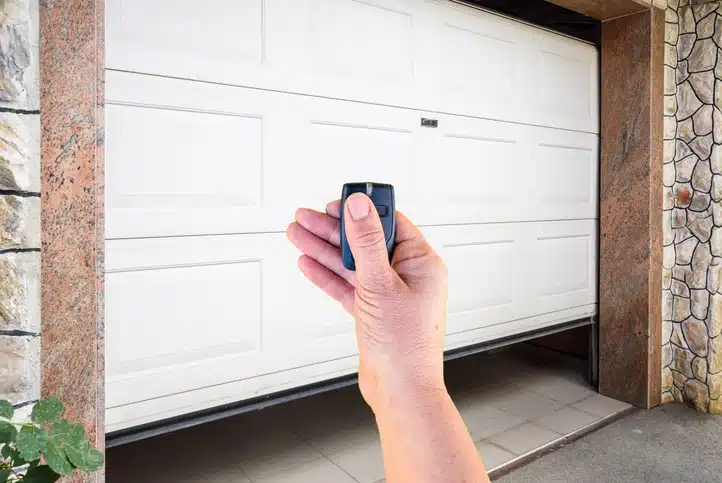
A keypad seems simple, but it solves more problems than many buyers expect. It is useful for families with school-age children, runners who do not want to carry keys, and anyone who regularly lets in guests, dog walkers, or service providers. The good units are weather-resistant, easy to program, and mounted at a height that works for adults without encouraging casual tampering from the sidewalk.
Backup batteries are often overlooked until the power goes out on a freezing evening or during a summer storm. If your garage is the main way into the house, a battery backup moves from “optional” to “smart insurance” very quickly. Performance varies by opener model, and runtime depends on door size and cycle frequency, but even limited backup capacity can spare you a lot of frustration.
Upgraded rollers are one of the best value improvements on many systems. Standard steel rollers can be durable, but they often create more rattling and vibration, particularly on older tracks or on doors above living spaces. Nylon rollers with quality bearings tend to run quieter and smoother. I have seen homeowners spend money on a premium belt-drive opener, then keep low-grade rollers that still make the whole setup sound rough. In those cases, the rollers were the weak link, not the opener.
Smart controls draw the most attention now, and for good reason. They can tell you if the door is open, let you close it remotely, and send alerts when someone uses it. That is genuinely useful, not just tech for tech’s sake. Still, app quality matters. A stable, straightforward app with reliable notifications is worth more than a flashy feature set that works half the time.
Enhanced wall stations are another underappreciated upgrade. A basic push button opens and closes the door. A better wall control might let you turn the opener light on without cycling the door, lock out remote use when you are away, or automatically switch on lights when motion is detected in the garage. That last feature is more convenient than it sounds, especially if the garage doubles as a side entrance after dark.
Security accessories deserve more attention than they get
Most people think of the garage as a convenience feature first and a security point second. That can be a mistake. In many homes, the garage provides direct or near-direct access to the interior. It also houses bikes, tools, ladders, freezers, and plenty of equipment that thieves can move quickly.
Good garage door security is not about a single miracle product. It comes from layering practical defenses. A rolling-code remote system is now standard on reputable openers, and that is a baseline worth confirming. Fixed-code remotes are outdated and easier to compromise. Beyond that, modern buyers should pay attention to remote management, vacation lock features, and physical reinforcement where needed.
A smart opener with open-door alerts can prevent the most common security problem of all: accidental exposure. Many homeowners do not realize the garage door was left open until they are miles away. A phone alert can fix that in seconds. Some systems also allow guest access windows or user-specific controls, which can be useful if you need to grant temporary entry without handing over a permanent remote.
Motion-detection lighting in and around the garage is another accessory category that pays for itself in peace of mind. If your opener’s integrated lights are weak, separate LED fixtures can brighten the space dramatically while reducing dark corners near parked vehicles or storage shelves. Exterior lighting near the garage door, side door, and driveway transition is often just as important.
Physical accessories matter too. If the bottom seal is worn and daylight shows under the door, or if the side gaps are excessive, security and weather protection both suffer. Those are not glamorous upgrades, but they close easy vulnerabilities. Reinforcement brackets for doors in high-wind regions can also add resilience, though whether you need them depends on door type, local exposure, and code requirements.
Noise control is not a luxury in the right house
Noise means different things depending on the home. In some layouts, the garage sits below a bedroom. In others, it shares a wall with a home office, nursery, or family room. In those homes, garage door accessories influence comfort every single day.
The quietest garage systems usually combine several elements, not one. Belt-drive openers are typically quieter than chain-drive models. Nylon rollers reduce rattling. Properly balanced springs reduce strain and jerking. Rubber isolation mounts can limit vibration transfer into framing. Lubrication at the right points helps, but it cannot compensate for worn hardware or poor balance.
This is where experience matters. A homeowner will often say, “I need a quieter opener,” when the bigger issue is a noisy door. If the tracks are out of alignment, the hinges are worn, or the rollers are chattering, the opener upgrade alone may not selectgaragedoorservice.com Garage Door Accessories Parker deliver the result they want. On the other hand, if the door hardware is in good shape, a better opener and upgraded rollers can make a dramatic difference.
I remember one case where the complaint was that every early-morning departure woke the entire second floor. The opener got the blame. After inspection, the door had aging metal rollers, a slightly unbalanced spring system, and loose mounting points amplifying vibration into the ceiling structure. Replacing the opener helped some, but replacing rollers, tightening the hardware correctly, and isolating the opener mount made the setup noticeably more civilized. The lesson was simple: buy accessories as part of a Garage Door Accessories Parker system, not as isolated fixes.
Weather seals and threshold products do more than keep out leaves
Parker homeowners often care about temperature control in the garage, especially when the space is attached, used as a gym, or set up for hobbies and storage. Full insulation matters, but accessories around the perimeter do a lot of work too.
The bottom seal, sometimes called the astragal, is one of the first parts to wear. It compresses against the floor every time the door closes, and over time it can crack, flatten, or lose flexibility. Once that happens, dust, water, cold air, and pests find their way in. Side and top seals matter just as much. When those trim seals are damaged or poorly fitted, you may see light around the edges even when the door is fully closed.
Threshold seals mounted on the floor can help where the slab is uneven or where wind-driven moisture tends to seep inside. They are not right for every garage because drainage patterns and vehicle use vary, but in the right setting they can improve the seal line noticeably. Buyers should be realistic, though. Seals can reduce air leakage and debris intrusion, but they do not turn a garage into fully conditioned interior space. If you expect workshop-level comfort year-round, the whole envelope matters, including insulation, door fit, and sometimes added ventilation.
Safety accessories are worth reviewing before you need them
Garage doors are heavy, spring-loaded systems. Most of the time they work so routinely that people forget the risks. Safety accessories exist for a reason, and they should be part of the buying conversation, not an afterthought.
Photo-eye sensors are standard on modern openers, but sensor quality and placement still matter. They need to stay aligned, mounted securely, and kept clear of dirt or stored items. If you have children, pets, or frequent foot traffic through the garage, reliable obstruction detection is essential. Auto-reverse functionality should be tested periodically as part of routine maintenance.
Battery backup belongs in the safety conversation too, not just the convenience one. During a power outage, being able to open the garage without wrestling with a manual release in poor weather can be more important than people realize. Emergency release hardware also needs to be accessible and understood by the household. It is remarkable how many homeowners do not know how to disengage the opener until they are forced to learn under stress.
Another important point is spring containment and hardware condition. Extension spring systems should have safety cables. Torsion systems should be installed and tensioned correctly. These are not casual DIY accessories. They are critical components, and mistakes can be dangerous.
Smart accessories are useful, but only when they fit the household
Smart garage products can be excellent, but they are not automatically the best choice for every buyer. Some households want app control, geofencing, delivery integration, camera monitoring, and activity logs. Others simply want the door to open every time without drama.
The best smart accessory setups solve a specific habit problem. Maybe someone in the family regularly forgets to close the door. Maybe an owner wants to check garage status while traveling. Maybe there is a package theft concern, and integrated monitoring adds confidence. In those cases, the technology earns its keep.
The downside is complexity. More connectivity can mean more setup, more compatibility concerns, and more troubleshooting if the home network changes. If the Wi-Fi signal in the garage is weak, app-based control may be inconsistent until that issue is fixed. If multiple users share access, permissions should be handled carefully. A smart upgrade should simplify your life, not create a new maintenance task.
For many Parker homeowners, a middle-ground setup works best: a reliable opener with battery backup, a keypad, a couple of remotes, and app alerts for open-door status. That bundle covers most real-world needs without overcomplicating the system.
The accessories that help extend lifespan
Some accessories do not sound exciting, but they can protect your investment. Reinforcement struts, quality hinges, better bearings, and upgraded brackets can all support smoother door travel and reduce strain. This is especially relevant on wider doors, heavier insulated doors, or older systems that are beginning to show wear.
A simple example is an operator reinforcement bracket. When an automatic opener pulls on the top section of a garage door, force concentrates in that area. On some doors, especially lighter stamped steel panels, a reinforcement bracket can reduce flex and lower the chance of panel damage over time. It is a modest item with outsized value when matched correctly to the door.
Likewise, sealed bearing rollers and quality center and end bearings can improve movement consistency. They do not eliminate maintenance, but they often hold up better under regular use. For households where the garage door cycles several times a day, component quality matters. A door that opens six to eight times daily racks up wear much faster than one used only on weekends.
Matching accessories to how the garage is actually used
The right accessory package for a detached storage garage is not the same as the right package for a two-car attached garage that functions as the family’s main entrance. Use should drive the decision.
A household with teenagers who come home at different times may benefit most from a keypad and phone alerts. Someone who leaves early for work and has a bedroom above the garage should prioritize quiet rollers, balance, and opener type. A hobbyist using the garage as a woodshop may care more about weather seals, lighting, and dependable wall controls. A traveler who rents out the house occasionally may want strong access management and easy code changes.
That practical framing keeps spending in check. It also prevents the common mistake of buying every accessory available, only to ignore the few that would have made a tangible difference.
Questions worth asking before you buy
A short, smart conversation with an installer or dealer can save you from expensive mismatches. These are the questions that tend to uncover whether an accessory is truly appropriate:
- Will this accessory work with my current opener and door, or does it require a full system match?
- Which upgrade will make the biggest difference in noise, security, or convenience for my setup?
- Are replacement parts for this accessory easy to get locally if it fails in a few years?
- How does this accessory hold up in an attached garage with frequent daily use?
- Is there a simpler option that solves the same problem more reliably?
Notice the pattern. The goal is not just feature comparison. It is long-term fit, serviceability, and honest trade-offs. A good professional should be able to explain why a product is worth adding, when it is unnecessary, and what maintenance it will require.
What Parker buyers often overlook
In discussions about Garage Door Accessories Parker shoppers frequently focus on visible features and skip the hidden support pieces. That is understandable. A keypad or app is easy to imagine. A better bearing plate or upgraded weather seal is less exciting. Yet the parts you do not photograph are often the parts you live with the longest.
Another thing people overlook is compatibility across brands and generations. Not every remote, keypad, or smart bridge works universally. Even within a single manufacturer’s lineup, product generations can matter. It is worth verifying model compatibility before assuming a new accessory will pair smoothly with an existing opener.
Service access matters too. If you install niche accessories that only one provider in the area supports, future repairs may take longer or cost more. Buyers do not need to avoid newer products, but they should consider how easy those products will be to maintain over time.
A better buying mindset
A well-equipped garage door system does not need to be extravagant. It needs to be coherent. The best setups balance convenience, durability, noise control, and security in a way that matches the home. If you are standing in a showroom or reviewing an estimate, the most useful question is not “What else can I add?” It is “What will I notice every day, and what will save me trouble over the next several years?”
That mindset usually leads to smart choices: quality rollers instead of the cheapest standard hardware, a keypad if the garage is a true family entrance, battery backup if outages would create a headache, app alerts if you often wonder whether the door was left open, and proper weather sealing if the garage doubles as active living space.
Accessories should support the door, not distract from it. When chosen well, they make the entire system feel smoother, safer, and easier to trust. For Parker buyers, that is the difference between a garage door that simply exists and one that genuinely works for the way the house runs every day.
Select Garage Doors
11479 Pine Dr
Parker, CO 80134, United States
Phone: (303) 228-0018
FAQ About Garage Door Accessories Parker
Where can I find garage door accessories?
Garage door accessories are available from garage door service companies, authorized dealers, home improvement stores, and specialist suppliers. Select Garage Doors supplies and installs accessories for homeowners in Parker, including compatible remotes, wireless keypads, weather seals, and smart controls. Check your opener model and door specifications before choosing a replacement or upgrade.
How to make a garage door more attractive?
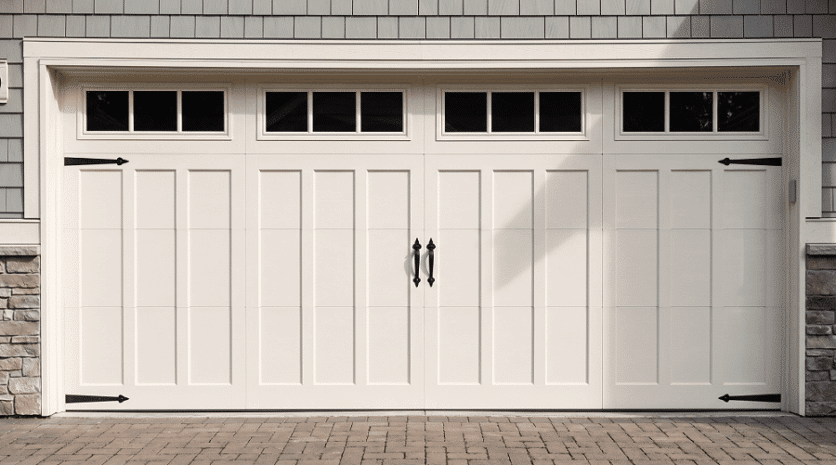
Cleaning the door, refreshing a manufacturer-approved finish, and choosing coordinated decorative handles or hinge accents can improve its appearance. Compatible window inserts may also change the look of an existing window section. Match accessories to the door material and style, and make sure added hardware does not interfere with movement, seals, or safety equipment.
Where can I buy garage door inserts?
Decorative window inserts can be sourced through the door manufacturer, an authorized garage door dealer, or a supplier that carries parts for your specific door series. Match the model, window frame dimensions, and attachment system; inserts are not universally interchangeable. Ask a professional to confirm compatibility before ordering, especially if the work involves glass or changes to a door section.
Ends · MARIOKPGO580